
Overflow Relief Gully Sydney: The 2026 Winter Homeowner Guide
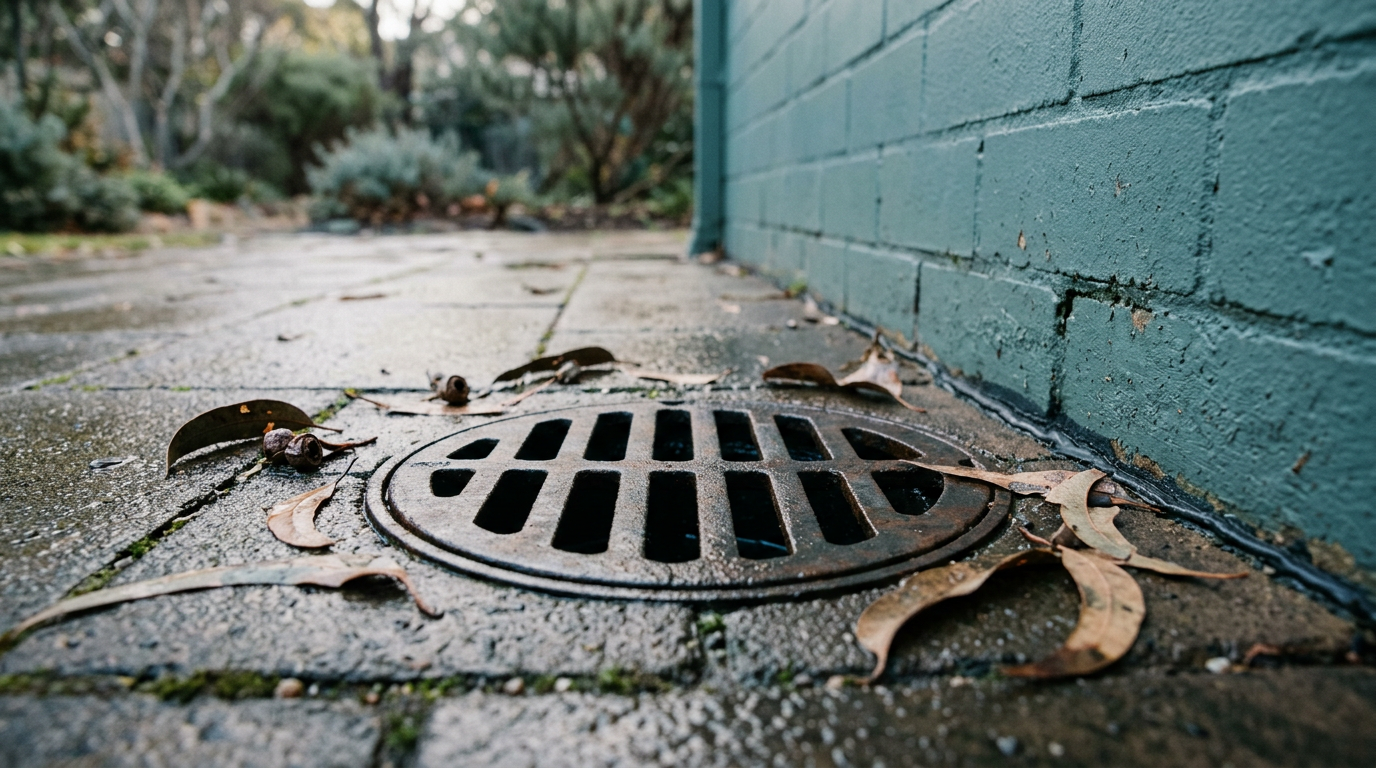
Walk into any backyard from Ryde to Umina in the first week of July and you will find them once you know what to look for: a small round grate set flush into the paving beside the laundry wall, ringed with a faint dark stain from the last downpour. That grate is an Overflow Relief Gully, and on a modern Sydney home it is the single most important safety valve your plumbing has. Our winter 2026 callout log tells the story bluntly. In the eight weeks since Sydney Water rolled through the IPART-approved pricing changes in October 2025, ORG surcharge jobs across the Northern Beaches, the Inner West and Gosford are up sharply against the same weeks last year. The pattern is not random. Colder soils, saturated clay, wet wipes that never break down and one late season East Coast Low have turned an ordinary winter into a stress test for every property built after 2000. This guide walks a Sydney owner through what an ORG actually is, why yours floods in July when it never did in January, what a fix costs in 2026, and exactly where responsibility sits between you, your insurer and Sydney Water. No jargon, no filler, no guesswork.
What an Overflow Relief Gully Actually Does on a Sydney Property
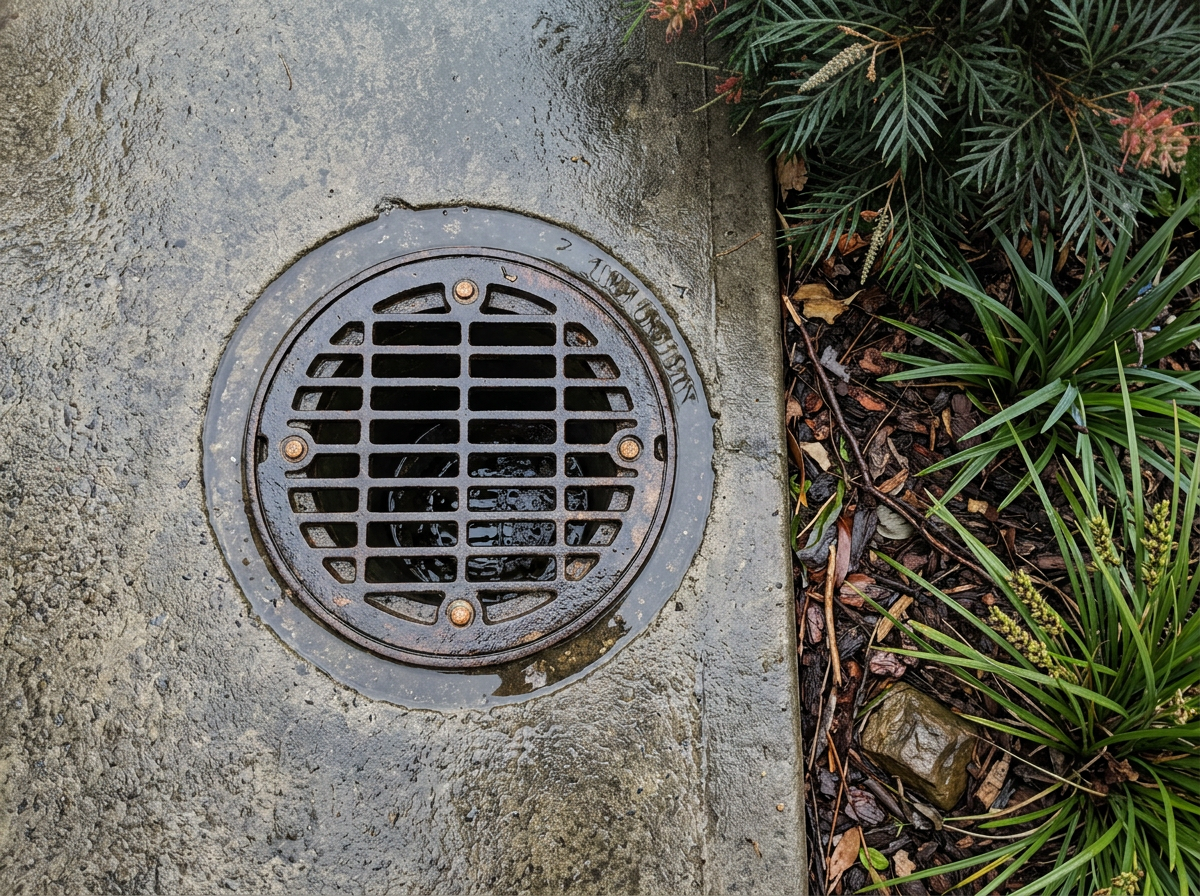
An Overflow Relief Gully, usually shortened to ORG, is a low external drain fitted outside your home, almost always within a few metres of the laundry, bathroom or kitchen wall. It looks like a small round or square grate sitting inside a shallow concrete surround. Under the grate is a short vertical pipe with a water seal at the bottom, connected directly into your sanitary drain before it leaves the property.
The job of that grate is simple and life-changing when it works. If the sewer downstream of your house blocks for any reason, wastewater under pressure has to go somewhere. The ORG is designed to be the lowest and easiest release point in the whole system, well below the finished floor level inside the house. Overflow lifts the grate, spills into your yard, and buys you the hours you need to get a licensed drainer on site before raw sewage comes up through a shower, a floor waste or a downstairs toilet.
Modern Sydney homes built after 2000 usually have an ORG rather than a traditional boundary trap. Older properties often have both fittings, one at the front boundary and one at the wet-area wall. The National Construction Code and AS/NZS 3500.2 sanitary plumbing standard make an ORG or equivalent surcharge fitting mandatory on almost every residential sanitary drain in Australia, and Sydney Water enforces the same requirement on new connections through its plumbing rules.
How to Find Your ORG in Under Ten Minutes
Most Sydney owners can locate their ORG without any tools. Start at the external wall of the laundry, since the ORG is usually placed at the lowest wet-area point on the building. Walk the perimeter within about three metres of that wall and look down. You are searching for a round or square grate roughly 100 mm to 150 mm across, set into a shallow concrete apron. On brick veneer homes it often sits right against the wall. On rendered slab-on-ground builds it may be a metre or two out in the paving.
If you cannot see one, three things are usually the cause. It has been buried during landscaping, it sits inside a garden bed under mulch, or a previous owner tiled over the top during a renovation and left only a hairline square outline in the tile grout. Sydney Water publishes a free property sewer service diagram for most metropolitan addresses that shows both the ORG and any boundary trap on the plan. Pull yours before you start lifting pavers.
Why ORGs Overflow Most Often in a Sydney Winter
The Sydney basin has a very specific winter drainage problem. Rainfall totals climb from May through August, the ground stays cold for weeks at a time, and household water use shifts hard indoors. That combination puts more pressure on the same sanitary drain, day after day, right when the pipe is at its least forgiving.
Our data from the last three winters shows ORG overflow callouts peaking in the fortnight after any rainfall event that exceeds 40 mm at Observatory Hill on the Bureau of Meteorology record. The mechanism is straightforward. Soaked clay swells against the outside of the drain, small root systems get a growth spurt, and the internal pipe walls chill enough that any grease from a family kitchen sets like candle wax rather than flowing away.
- Wet wipes and menstrual products, which now account for roughly half of every plug we cut out of a Sydney ORG.
- Cooking fat and oil that solidifies in cold July pipe walls, particularly through Bondi, Zetland and Wollstonecraft strata blocks.
- Tree root intrusion at the ORG water seal, most common on properties with liquidambars, camphor laurels or fruiting figs within eight metres of the fitting.
- Silt and bark wash-in from cracked upstream stormwater or sanitary pipes after any East Coast Low.
- Downstream Sydney Water main blockages, which surcharge back through your ORG grate as the system's designed pressure release.
The Warning Signs Before an ORG Surcharges
An ORG almost never overflows without notice. The first signs usually appear inside the house between two and seven days before the grate actually lifts, and the symptoms are consistent enough across the Sydney metropolitan area to be worth memorising. Two or more of these signs in the same week means the drain is already partially blocked.
Acting on the early signs is the difference between a straightforward jet clear and a full yard clean down. Once the ORG has surcharged, contaminated water has to be pressure washed off every surface it touched, which triples the labour cost and pushes the job into most home insurance excess territory.
- A gurgling floor waste in the laundry or ensuite, especially when the washing machine drains.
- A faint sewer smell in the yard near the laundry wall after light rain.
- Slow water running from every fixture at the same time, even after clearing individual traps.
- The toilet water level rising and falling with no one flushing.
- A visible damp ring around the ORG grate, or leaf litter that always looks wet.
- Water pooling briefly on the concrete apron around the grate during a normal wash cycle.
What ORG Clearing, Repair and Compliance Costs in 2026
Costs have moved in Sydney this year on the back of higher labour rates, the IPART-linked Sydney Water price changes that came into effect from October 2025, and the ongoing rollout of the updated National Construction Code plumbing provisions summarised in the ABCB plumbing handbook. The good news is that most ORG blockages remain a single-visit fix. The numbers below are the typical ranges our team is quoting through winter 2026.
Treat these as a planning guide rather than a firm quote. The real drivers of price are access, depth and whether the ORG height is compliant with current standards. A grate sitting in an open paved area is straightforward. A grate that has been tiled over inside a covered alfresco area is a different job entirely.
- Standard jet clear of a blocked ORG: $260 to $460, usually 45 to 90 minutes on site.
- Jet clear plus CCTV inspection with a written report you can show your insurer: $460 to $760.
- Excavate and replace a cracked ORG riser or water seal: $1,600 to $3,400 depending on paving reinstatement.
- Raise a non-compliant ORG to current AS/NZS 3500 height above the surrounding surface: $850 to $1,800.
- Trenchless pipe relining of the drain through the ORG junction: $3,200 to $6,800 for typical Sydney lot lengths.
- Full renewal of the drain from ORG to boundary connection: $5,500 to $13,500 on established properties with mature gardens or driveway reinstatement.
Who Pays When Your ORG Overflows: You, Sydney Water, or Your Insurer
This is the question that trips up the most Sydney owners every winter, and getting it right can save four figures on a single event. The default rule is that everything from the ORG back to the house, and the ORG itself, is your responsibility as the property owner. Everything from the ORG forward to the Sydney Water main in the street is Sydney Water's responsibility.
If a blockage in the Sydney Water main causes wastewater to back up and surcharge through your ORG, Sydney Water will attend and clear the main at no cost to you. In many cases they will also reimburse reasonable licensed drainer callout fees if you had to investigate first, provided you kept the paperwork. The current policy sits on the Sydney Water avoid wastewater overflows page and it changes occasionally, so read it before signing any quote.
Home insurance is the third piece. Most Sydney building policies will not cover the wear-and-tear failure of the ORG or the internal drain, but many will cover the cost of internal water damage if a surcharge backs up through a floor waste or shower and reaches the house. Contents cover for damaged flooring, carpet and stored goods is separate again. The Product Disclosure Statement wording differs between insurers, and the phrase to search for is usually escape of liquid or sewer overflow.
If the property is tenanted, the landlord is responsible for the plumbing infrastructure including the ORG under the standard NSW residential tenancy rules published by NSW Fair Trading. The tenant must report the problem promptly and stop using every water fixture until it is cleared. Our tenant or landlord blocked drain article walks through the exact reporting steps that protect both sides.
What to Do in the First Ten Minutes of an Overflow
If you walk outside and find wastewater lifting the ORG grate, the goal is to stop adding load to the drain while a licensed drainer is on the way. Do not hose the overflow back down the grate. That pushes contaminated water across the paving and can force the surcharge back inside the house once pressure builds again.
- Stop using every water fixture in the house immediately, including the washing machine, dishwasher, showers and taps.
- Move children, pets and anyone barefoot well away from the affected area. Treat the overflow as raw sewage.
- Take four or five time-stamped photos showing the grate, the surrounding paving and any internal symptoms such as a slow floor waste.
- Call a licensed drainer for an emergency callout. Our team responds across Sydney, the Central Coast and Newcastle service areas around the clock, seven days a week.
- If the overflow is heavy or continuous, also report it to Sydney Water on 13 20 90 so they can check the main for a downstream blockage.
Prevention: The Seven Things Sydney Owners Get Wrong
Most ORG failures our crews attend through winter were avoidable. The same seven mistakes show up on the job cards year after year, and fixing any single one of them buys real insurance against the next East Coast Low that rolls up the coast.
- Tiling or paving over the ORG during a courtyard renovation. If a drainer cannot lift the grate in thirty seconds, the clearing job doubles in time and cost.
- Flushing wipes marked flushable. Independent testing by Choice consumer advocacy shows they do not break down before they reach your ORG.
- Pouring cooking fat down the kitchen sink in July. It cools inside the drain within two metres and stops at the first horizontal run.
- Planting fig trees, liquidambars or camphor laurels within eight metres of the ORG. They remain the three worst root offenders across the Sydney basin.
- Ignoring a gurgling toilet or floor waste for weeks because it eventually stops on its own. The system is not clearing, it is rebuilding pressure.
- Skipping a CCTV inspection after buying an older Sydney home. Most blockages we clear in the first year of ownership were already present on the drain and were missed at settlement. Our buying a house drain check guide walks through what to ask for.
- Letting a non-compliant ORG stay below the paving line after a garden top-up. The grate must sit above surrounding surfaces so water flows out, not into the fitting.
When to Upgrade an Old Gully to a Compliant Height
Compliance is the quiet cost that catches Sydney owners at sale time. Under the current sanitary plumbing standard, the ORG grate must sit above the surrounding paved surface, and clear of anywhere floodwater can run into the drain. Every year we inspect properties in the Inner West and Northern Beaches where a well-meaning garden lift or a new pool surround has buried the grate below the paving. Once the grate sits below grade, the ORG stops being a safety valve. It becomes an inlet for stormwater and roof runoff, which floods the sanitary drain during any decent shower and causes exactly the surcharge the ORG was built to prevent.
The fix is not expensive if it is caught early. A drainer can raise the riser, reset the grate above grade and pressure test the seal in a single visit for well under two thousand dollars on most properties. Left too long, the same job requires excavation of the drain, replacement of a partially collapsed riser and reinstatement of paving, which pushes the cost past five thousand. If you are buying a Sydney property built between 1990 and 2005, the ORG height is one of the first things to ask about in your pre-purchase drain inspection. Our Sydney Water versus homeowner responsibility article sets out the compliance line in more detail.
How an ORG Fits Alongside Your Other Winter Drain Risks
The ORG is one part of a whole property drainage system, and treating it in isolation is a common mistake. In a normal Sydney winter, your stormwater lines, sanitary drain, roof gutters and downpipes all move more water than they see in any other quarter of the year. If any one of those systems fails, the others carry extra load and start to fail in sequence.
The most useful pairing is a stormwater and sanitary check in the same visit before the June and July peaks. That way you know both systems are clear, both have compliant fittings, and there is no cross-flow between them. Our stormwater drain maintenance guide covers the sister checks worth doing on the same day, and our Sydney winter drain failures article explains why the two systems fail together so often once the ground is saturated.
For strata and townhouse owners, the ORG question is bigger again. Shared laterals mean a single blockage can push multiple units into overflow at the same time. Our hidden water leaks Sydney guide covers the meter and allowance rules that also apply to shared strata properties in 2026.
ORG surcharging this winter? We respond across Sydney 24/7.
Express Drain Cleaning provides same-day drain clearing across Sydney, Newcastle and the Central Coast. Licensed, insured, upfront pricing.