
NSW Backflow Prevention Testing 2026: The Sydney Compliance Guide
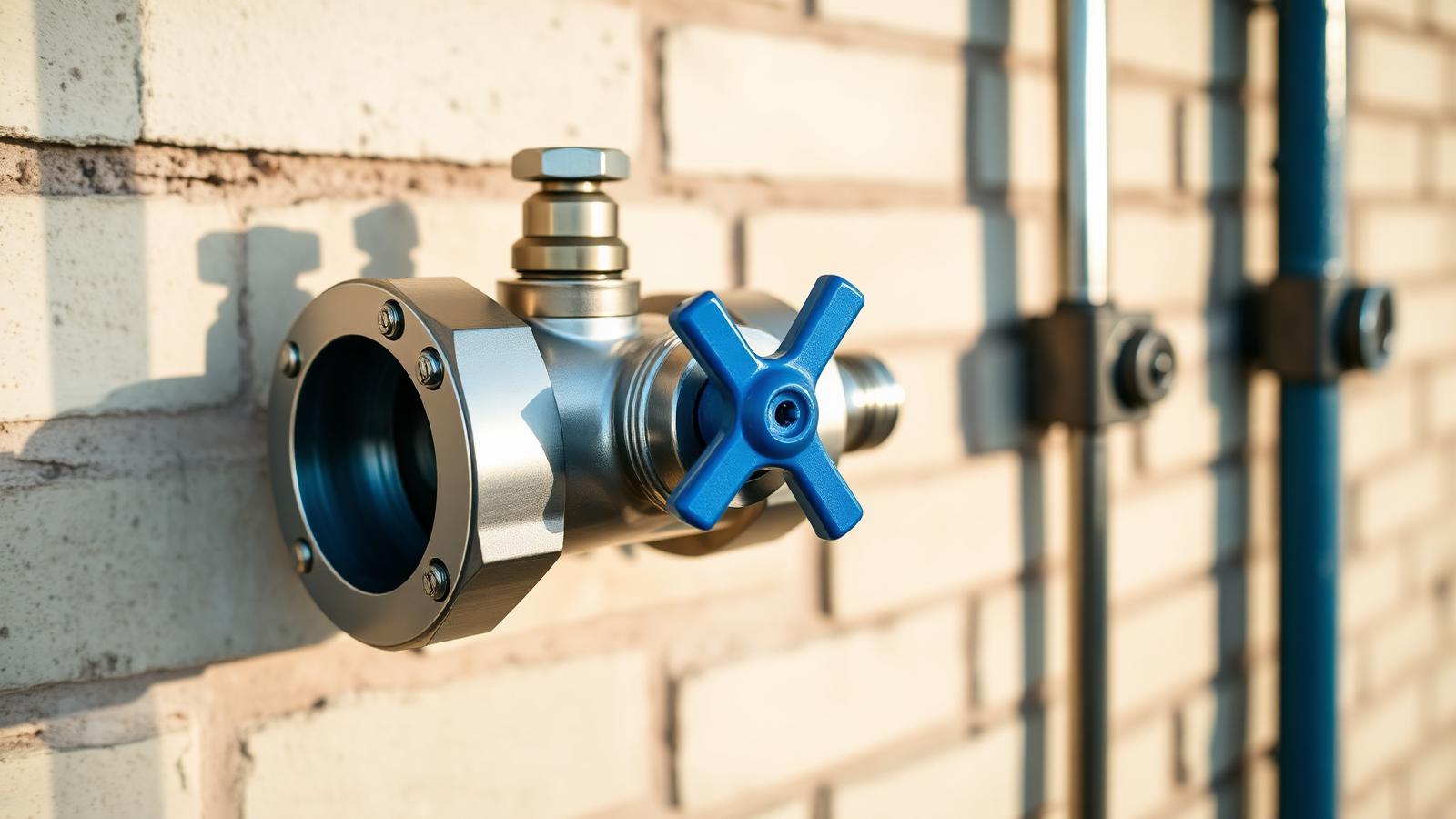
Walk down any strip of shopfronts from Chatswood Chase to Erina Fair on a July morning and you will find them bolted to a rear wall inside a small brass cage: a squat stainless assembly with two blue handles, four brass test cocks and a Sydney Water tag zip-tied to the outlet. That fitting is a testable backflow prevention device, and if the tag on yours is dated before this financial year, your business is out of compliance right now. Backflow work is one of the quiet corners of the Sydney plumbing code, but it has moved sharply into the spotlight through winter 2026. The IPART-approved Sydney Water price changes that took effect from October 2025 lifted usage charges across the metropolitan network, water quality auditing has tightened after two contamination incidents on the Central Coast last summer, and Sydney Water has begun issuing formal reminder notices for lapsed annual tests. This guide is written for the people who actually have to deal with it: cafe owners, strata managers, dental and medical practice principals, industrial site managers and the property owners who inherit a device they never knew existed. No jargon, no filler, just the compliance path for Sydney, Newcastle and the Central Coast in 2026.
What Backflow Prevention Actually Does and Why NSW Enforces It
Backflow is the reverse flow of water from a property back into the public drinking water supply. It happens when pressure in the Sydney Water main drops below the pressure inside a building, usually during a fire brigade drawdown, a burst main repair or a heavy morning demand event across a suburb. Without a device in the way, whatever is sitting in your internal pipework at that moment can be sucked upstream through the meter and into the mains that feed your neighbours.
The risk is not theoretical. Australian water utilities record dozens of confirmed backflow contamination events every year, ranging from garden fertiliser drawn through an unprotected hose tap to chemical dosing water from a commercial dishwasher pulled back into a shopping centre riser. A testable backflow prevention device stops that reverse flow mechanically, using a spring-loaded check valve arrangement that fails safe. The three device types used in Sydney are the reduced pressure zone (RPZ) assembly for high hazard, the double check valve (DCV) for medium hazard and the single check valve or hose connection vacuum breaker for low hazard.
NSW enforces the requirement through three overlapping instruments. The plumbing standard AS/NZS 3500.1 sets the technical rules for device selection and installation. The National Construction Code plumbing volume references that standard and gives it legal force. Sydney Water then administers annual testing and certification for every testable device inside the metropolitan drinking water area under its published backflow prevention program.
Who Actually Needs an Annual Backflow Test in Sydney
The short answer is broader than most owners assume. Sydney Water requires an annual test on every testable containment device installed on a service connection classified above low hazard, and it defines hazard by the type of activity taking place on the property rather than the size of the business. A single-chair suburban dental clinic in Hornsby carries the same containment obligation as a 400-bed private hospital. A single espresso machine plumbed into mains water in a Newtown cafe triggers a medium hazard classification for that connection.
The categories that almost always require testable containment across our service area include the ones listed below. If you do not know your classification, the fastest way to check is to open your Sydney Water account and look for the annual reminder letter, or to request a copy of your service diagram. Any licensed plumber holding a NSW backflow endorsement can then confirm the device type on site.
- Food premises regulated under NSW plumbing and health rules, including cafes, restaurants, bakeries, butchers and dark kitchens.
- Medical, dental, veterinary, cosmetic and beauty practices that use chair-side or in-chair water supply.
- Strata and mixed-use residential buildings with an internal fire service, cooling towers, irrigation booster or car wash bay.
- Automotive, mechanical and marine workshops with wash bays, coolant recovery or high pressure cleaning plant.
- Industrial sites with process water, chemical dosing, boiler feed or dust suppression on the same connection as potable supply.
- Retail centres, gyms and schools with combined potable and non-potable fixtures on a shared meter.
- Residential properties assessed by Sydney Water as high or medium hazard, often because of a fire service booster or non-potable rainwater tie-in.
The Annual Testing Timeline and What Sydney Water Actually Checks
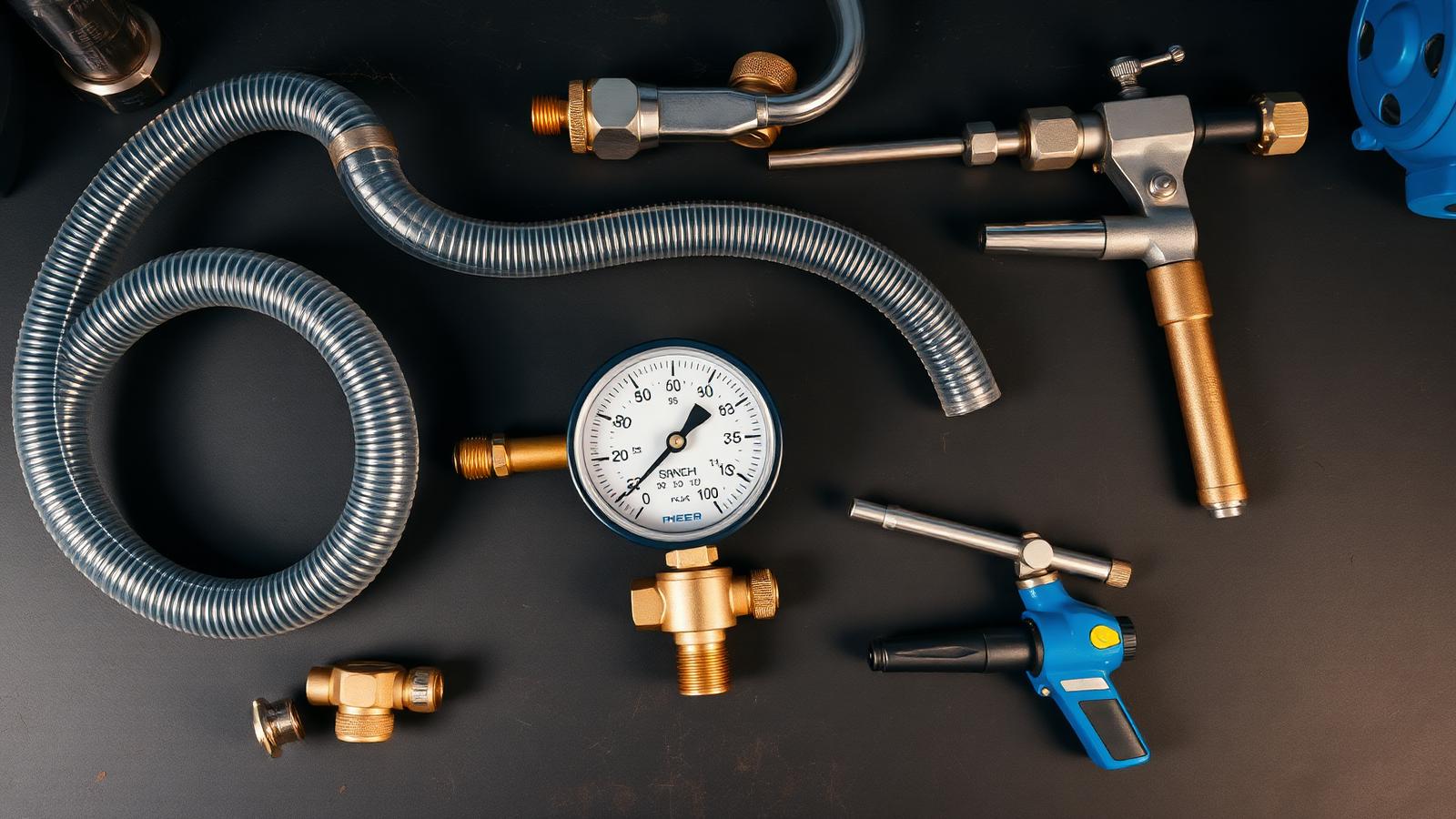
Every testable device in the Sydney metropolitan area, plus the Blue Mountains, Illawarra and much of the Central Coast, must be tested at least once every twelve months by a licensed plumber who holds a current backflow endorsement. The test itself is a mechanical hydraulic assessment using a calibrated differential pressure gauge, and it takes roughly forty minutes on a standard RPZ. The plumber records the opening pressures on each check valve, the relief valve setting and the shut off performance of the internal poppets. Any device that fails either check valve or the relief valve must be repaired and retested on the same day.
Once the device passes, the plumber lodges the test results directly with Sydney Water through the Backflow Contractor Portal. That lodgement is what keeps your property compliant on the utility record. If your plumber gives you a paper report and tells you they will lodge it later, ask them to lodge it while they are still on site. The lodgement is what your building manager, food inspector or NSW Fair Trading auditor will actually see.
- Test window is twelve months from the last successful lodgement, not from installation date.
- A failed test triggers a rectification obligation within seven days and a re-lodgement.
- A missed annual test generates a Sydney Water reminder letter and, on repeat non-compliance, a written direction under the Sydney Water Act.
- The plumber must be listed on the Sydney Water register of approved backflow testers, not just a general plumbing licence holder.
- Test results older than three years are automatically flagged during any Sydney Water site audit or building certification renewal.
Real 2026 Costs for Backflow Testing, Repair and Replacement
Pricing on backflow work moved through the first half of 2026 for three reasons. The IPART-approved Sydney Water price schedule lifted the underlying cost of any onsite water use during a test, replacement parts on RPZ assemblies climbed with the wider brass and stainless supply chain, and demand for licensed testers stayed tight after several long-service technicians retired at end of financial year. The ranges below are what our team is quoting through July 2026 across Sydney, Newcastle and the Central Coast.
These are planning ranges only. Access to the device, whether the assembly is a 20 mm domestic fitting or a 100 mm industrial flanged unit, and the age of the internal components are the three factors that move a job from the low end to the high end of each band.
- Annual test and Sydney Water lodgement on a single 20 to 25 mm RPZ or DCV: $195 to $295 plus GST.
- Additional device on the same site tested during the same visit: $95 to $165 each.
- Repair kit replacement on a failing RPZ (springs, check discs, relief valve seat): $220 to $520 in parts, plus $180 to $320 labour.
- Full replacement of a 25 mm RPZ assembly including isolation, install and initial commissioning test: $1,150 to $1,850.
- New backflow assessment and device sizing for an upgraded fitout: $450 to $900 including the Sydney Water hazard rating submission.
- Emergency after-hours test for a food premises facing an imminent inspection: 1.5 to 2 times the standard test fee.
The Winter 2026 Compliance Push and Why July Matters
Winter is the busiest quarter of the year for our backflow team, and 2026 has been sharper than usual. Three forces are stacking on the same calendar. New financial year annual budgets have opened, which is when most strata committees and franchise operators actually approve overdue compliance work. Sydney Water has issued a wave of reminder notices covering devices last tested in mid-2025, which are now sitting inside the twelve month window. The Bureau of Meteorology NSW seasonal summary has confirmed a wetter than average autumn on the coastal fringe, which historically drives a spike in main pressure fluctuations from May through August as Sydney Water manages storm and repair events across the network.
For any premises with a food licence up for renewal, an owners corporation AGM in the second half of 2026, or a lease review that references compliance certificates, this is the window to get the annual test completed. Waiting until spring lines your job up against the same rush every other operator is trying to book, and after-hours premiums on late testing rise sharply through September and October. Small strata buildings should budget between $450 and $850 per annum for full backflow compliance across a fire service booster, a common area irrigation feed and any ground floor commercial connection. Larger mixed-use towers in Chatswood, Parramatta or Newcastle West routinely run to $2,500 or more for a full annual round.
Backflow, Water Leaks and the Hidden Leak Allowance Nobody Talks About
A failing RPZ can leak from the relief port for weeks before anyone notices, particularly on rooftop plant rooms and rear service alleys where the discharge runs quietly into a stormwater pit. That leak shows up on your Sydney Water bill as unexplained overnight consumption, and under the current tariff it can move a monthly bill by hundreds of dollars before the next reading cycle catches it.
Sydney Water offers a Hidden Leak Allowance that can partly refund the excess usage caused by a concealed leak, provided the leak has been repaired by a licensed plumber and evidence is submitted within the eligibility window. A backflow relief port discharge is not always accepted as a concealed leak, but the underlying pipework failure that caused the device to fail often is. If your annual test fails and the repair uncovers a burst below the concrete slab, the paperwork for the allowance is straightforward. Our team lodges the supporting evidence for you as part of the repair.
There is more detail on the process in our silent toilet leaks guide and our hidden water leaks Sydney bill shock article, both of which set out the exact documentation Sydney Water will accept for a residential or small business claim in 2026. Water quality expectations in NSW are set by NSW Health, which is why the utility takes any suspected backflow event so seriously.
What a Fully Compliant Backflow Program Looks Like on a Sydney Site
The properties that never receive a Sydney Water non-compliance letter share the same five habits. None of them require special expertise, and all of them can be built into a normal facilities calendar in an hour. For strata schemes, the register should sit inside the same document library as fire safety statements and the annual essential services report. For food premises, it belongs alongside the food safety plan. The point is that backflow evidence has to be produceable in under a minute during an inspection, because the inspector will not wait for someone to phone the plumber.
- A single register listing every backflow device on the property, its serial number, size, hazard rating and last test date, updated the day a new test is lodged.
- A booking placed with a NSW backflow endorsed plumber ten to eleven months after the last test, not thirteen months.
- An on-site sight check every quarter for signs of relief port discharge, corrosion on the test cocks and damage to the isolation valves.
- A written record of any repair, retained for the full life of the device rather than the current financial year.
- A copy of the Sydney Water lodgement receipt filed with the compliance folder handed to any incoming building manager, tenant or auditor.
How We Run Backflow Testing Across Sydney, Newcastle and the Central Coast
Our team carries the NSW backflow endorsement across every service van, uses calibrated Watts and Wilkins gauges that are recertified annually, and lodges every test result through the Sydney Water portal before we leave site. We work across the full metropolitan area, from Hornsby through the Inner West down to Sutherland, plus the Newcastle city fringe and the entire Central Coast from Gosford to Toukley. For sites with more than one device, we schedule a single visit and issue one consolidated invoice against the property compliance register.
If you have inherited a building and cannot find the devices, we run a locate and audit visit that maps every testable assembly on the property, cross-checks it against the Sydney Water service diagram and gives you a written baseline before any test lodgement. That audit is often the first honest picture a strata committee or new commercial tenant has ever received.
Our broader commercial drain cleaning service covers the drainage side of the same site, our CCTV drain inspection team handles pre-purchase compliance imaging, and our 24/7 emergency drain cleaning crews respond to any active contamination event within hours. Restaurant and food premises operators should also read our grease trap guide for NSW venues, which pairs directly with the backflow compliance calendar.
Annual backflow test overdue? We lodge with Sydney Water same day.
Express Drain Cleaning provides same-day drain clearing across Sydney, Newcastle and the Central Coast. Licensed, insured, upfront pricing.